
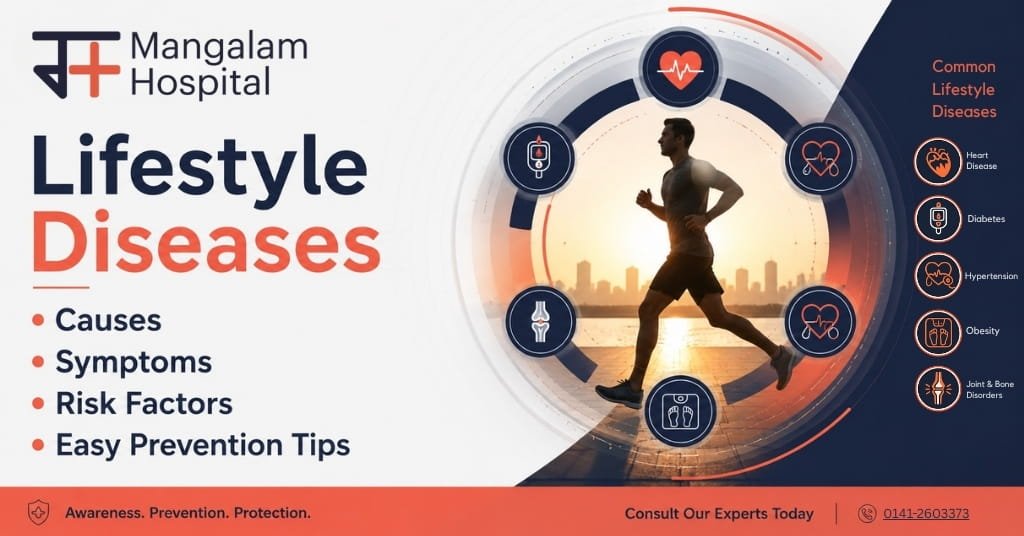
What Are Lifestyle Diseases?
Health conditions known as lifestyle diseases arise largely as a result of poor everyday habits and long-term behavioural issues. Unlike infectious diseases which are caused by germs such as bacteria and viruses, many lifestyle diseases result from unhealthy choices made over time including poor diet, low levels of physical activity, too little sleep, excessive levels of stress, tobacco use, alcohol use, and other poor lifestyle behaviours.
Today in the fast-paced world that we live in, lifestyle diseases are quickly becoming one of the leading causes of premature death and illness worldwide. Many individuals spend numerous hours sitting, eating highly processed foods and never fully balance their personal and professional lives which increases the likelihood of developing diabetes, obesity, heart disease and/or high blood pressure among younger adults.
What Are the Common Types of Lifestyle Diseases?
Many ask what are lifestyle illnesses.I will give 7 lifestyle illnesses below.
1 – Diabetes
Diabetes is most commonly found to be type 2 when our body doesn’t respond correctly to insulin which happens over time due to obesity, unhealthy eating habits, and inactivity.
2 – Hypertension (High-Blood Pressure)
Hypertension can be termed “silent killer”, meaning at the beginning stages it does not show evidence of its presence, but ultimately creates major damage to our bodies if left unchecked, primarily our heart, liver, and brain.
3 – Heart Disease
There are many cardiovascular diseases including heart attack, coronary artery disease etc. However, all of these cardiovascular diseases e.g. (diabetes, smoking, obesity, physically inactive) are directly linked to our poor food choices.
4 – Obesity
Morbidly obese people have greater than 300% increased risk of having multiple health issues (diabetes, heart disease, joint problems, sleep disorders) than the person who has an ideal body weight for his/her particular height and build.
5 – Stroke
Persons who have poor lifestyle choices create blockages in the arteries or ruptures in the arteries in the brain, causing a stroke.
6 – Chronic Respiratory Diseases
Both cigarette smoking and air pollution greatly contribute to the incidence of several chronic lung diseases, primarily COPD.
7 – Certain cancers
Studies have indicated that poor nutrition, tobacco use, alcohol consumption and obesity are contributing factors to an increase in many cancers.
What Are the Major Causes of Lifestyle Diseases?
By identifying risk factors for lifestyle-related illnesses, individuals can make informed choices about their overall health.
● Poor Nutrition: Eating too much processed food, sugar, salt, and unhealthy fats increases your risk of obesity, diabetes, and heart disease.
● Physical Inactivity: A sedentary lifestyle (doing little or no exercise) is a major contributor to the development of lifestyle-related illnesses. Without a regular exercise routine, your metabolic rate, heart health, and overall fitness suffers.
● Smoking and Other Tobacco Use: Smoking is harmful to every organ in your body, significantly increasing your risk of developing cancer, heart disease, and/or respiratory disease.
● Excessive Alcohol Use: Drinking alcohol excessively on a regular basis could also contribute to the development of liver disease, high blood pressure, obesity or cardiovascular problems.
● Chronic Stress Levels: Long-term exposure to stress causes changes to the body’s hormonal balance, high blood pressure, and encourages unhealthy stimulants like overeating or tobacco use.
● Poor Sleep Patterns: A lack of sleep can lead to problems such as poor metabolism, reduced immunity and increased mental health issues, making it more likely that you will develop chronic illnesses.
● Screen Time: Many people spend a lot of time in front of a computer or television screen, which decreases the amount of physical activity they do, which in turn leads to weight gain and a host of other health problems.
You can read also:- Nipah Virus Symptoms: Early Warning Signs You Should Never Ignore
What Symptoms of Lifestyle Diseases Should You Not Ignore?
It is vital to have a timely diagnosis of several lifestyle ailments, given that many develop slowly over time.
- Chronic Fatigue
If fatigue persists once an individual has had sufficient restful sleep, this could signal the presence of an untreated health disorder (i.e., diabetes). - Unexplained Weight Changes
If there is a noticeable increase/decrease in an individual’s weight, it should be viewed as a precursor to both a health issue and obtaining a medical evaluation.Frequent - Headaches
Recurring headaches could also be indicative of high blood pressure and stress-related disorders. - Difficulty Breathing
If you are having difficulty breathing while performing normal daily living activities, this may indicate a problem with either your heart or lungs. - Increased Thirst And Frequent Urination
Increased thirst and frequent urination are common symptoms of Diabetes Mellitus. - Chest Pain Or Discomfort
Any type of chest discomfort should be evaluated as soon as possible. It can indicate cardiovascular disease. - Sleep Disturbance
Problems with your sleep, such as poor quality, snoring, or excessive sleepiness are often related to obesity, anxiety, or sleep apnea.
What Are the Risk Factors Associated with Lifestyle Diseases?
A number of variables can contribute to an increased risk for lifestyle-related disease.
Age
Age will generally increase your risk for lifestyle-related diseases, however many young adults are becoming affected by such diseases.
Family History
Genetics often contribute to common lifestyle-related diseases such as diabetes, hypertension and heart disease.
Obesity
Being over weight increases your risk for a number of chronic diseases.
Poor Diet
Eating unhealthy foods on a regular basis can contribute to long-term health problems.
Physical Inactivity
Those who do not exercise regularly are at an increased risk of developing lifestyle related diseases.
Smoking and Alcohol Use
Both smoking and drinking alcohol greatly contribute to the development of chronic disease.
High Stress Levels
Long-term exposure to stress can have a negative impact on physical and mental health.
You can read also:- Slip Disc: Causes, Symptoms, Treatment & Prevention
How Can You Prevent Lifestyle Diseases? Easy Tips for a Healthy Lifestyle
To learn about how you can decrease your chances of developing a lifestyle disease through simple changes in how you live your daily life, here’s a short list of easily applied suggestions:
- Eat a Variety of Foods from Each of the Recommended Food Groups to Create a Balanced Diet:- Eat more fruits, vegetables, whole grains (and avoid refined/processed foods), lean meats or fish; limit sugar-sweetened beverages.
- Exercise Regularly:- Participate in a moderate amount of physical activity for at least 30 minutes on most days of the week by using a variety of methods such as walking, biking, swimming, or yoga.
- Maintain a Healthy Weight:- Keeping your body weight in a healthy range will help reduce the likelihood of developing diabetes, heart disease and high blood pressure.
- Drink Plenty of Water:- Water is a critical component of digestion, metabolism, circulation, and other body functions; therefore, it is critical that you maintain proper hydration to ensure that your body can perform its essential functions properly.
- Get a Good Night’s Sleep:- Most adults should get between 7 and 9 hours of sleep per night in order to restore their bodies after a long day and to support overall health.
- Manage Stress:- There are many effective methods for managing stress that you can use. Meditation, deep breathing, and spending time with family and friends are some examples of activities that can help you relieve stress.
- Do Not Smoke and Limit Alcohol Consumption:- Quitting smoking and reducing your alcohol consumption will have a long-term positive effect on your health.
Conclusion
The increase in lifestyle-related diseases is alarming. But there are some steps you can take to reduce your risk of developing them. The following are the five most important things you can do to decrease your risk: eat better, exercise regularly, get enough sleep, reduce the amount of stress in your life, and go to your doctor for regular health checkups.
At Mangalam Hospital Jaipur, our team of experienced physicians and specialists will work with you to help you prevent, diagnose and treat lifestyle-related diseases by providing you with comprehensive medical care, advanced diagnostic testing, preventive health screenings and individualized treatment plans. If you think you are having symptoms or if you have any other health concerns, please don’t hesitate to call us. Our team at the Department of Internal Medicine and Preventive Healthcare is here to assist you in finding a healthy, happy future.
FAQs
Q1. Why are lifestyle diseases becoming more common worldwide?
Ans. Lifestyle diseases are becoming more prevalent due to a sedentary lifestyle, an unhealthy diet, increasing stress, lack of sleep, as well as too little physical activity. In addition, being in a working environment that is modernised and spending too much time on a screen also has significant effects.
Q2. Can poor hydration increase the risk of lifestyle-related health problems?
Ans. Dehydration can contribute to the overall health; however, it will not cause a lifestyle disease like heart disease or diabetes by itself. But being dehydrated will have an impact on how well a person digests food, how well his/her kidneys function, his/her energy, and how well / he / she burns fat or metabolises food.
Q.3 How does screen time affect overall health and contribute to lifestyle diseases?
Ans. When an individual has an excessive amount of screen time, it contributes to a decrease in their levels of physical activity, negatively impacts their sleep habits and creates more stress and provides opportunities to develop unhealthy eating habits. These behaviours will likely cause obesity, diabetes and heart disease.
Q.4 What are the long-term complications of untreated lifestyle diseases?
Ans. If a lifestyle disease is not treated, it could lead to complications such as having a heart attack, stroke or developing kidney disease, damages to the nerves, vision problems, respiratory problems and lower the quality of life for the person who is affected.
Q.5 When should someone seek medical advice for lifestyle-related health concerns?
Ans. If an individual notices any of the following symptoms, he/she should seek medical advice – persistent fatigue, unexplained weight loss, chest pain, shortness of breath, frequent headaches or shortness of breath or elevated blood sugar / blood pressure.