
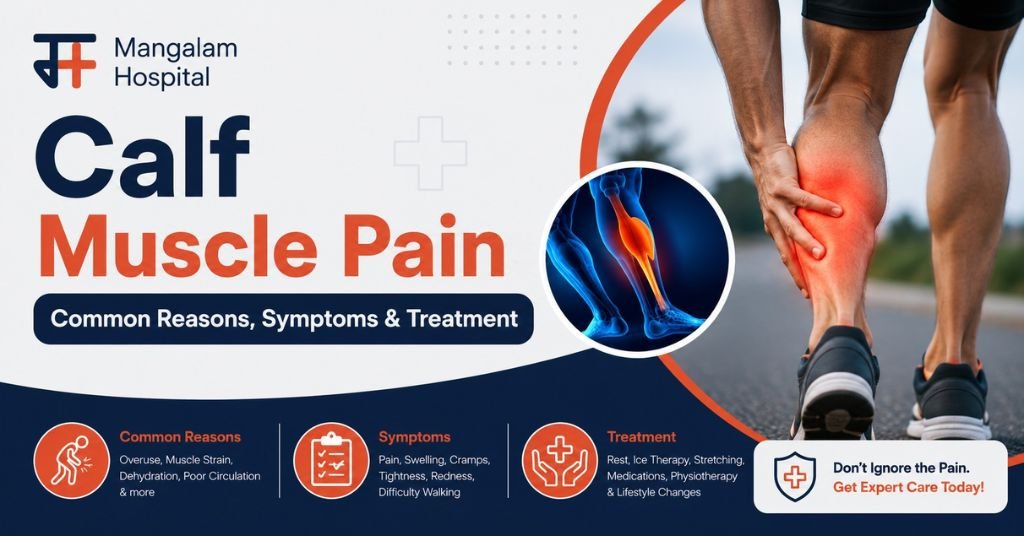
The causes of calf muscle pain rank high on the list of health problems that people search for because anyone can experience calf pain, starting from children and ending with elderly people.
No matter if you are physically active or spend the majority of the day on your feet, finding the reason for calf pain is the first step toward recovery from the illness. In most cases, calf pain is not debilitating and goes away with time. However, when pain persists over time or is extremely severe, it might indicate some health problems requiring a doctor’s intervention.
What Is Calf Muscle Pain?
Calf muscle pain refers to the sensation in the back of the lower leg of various intensity, including discomfort, soreness, tightness, and cramps. The calf consists of two muscles—the gastrocnemius and soleus—obliging the person to be able to walk, run, or jump.
The intensity of calf pain may vary from mild ache after doing exercises, to acute pain due to injuries or diseases. While minor pain is common, it is important not to neglect pain, swelling, and walking difficulties, if they appear.
What Are the Symptoms of Calf Muscle Pain?
Calf muscle pain varies because of the specific cause. Individuals may experience mild pain or severe pain, depending on the intensity level. The indications can be listed as follows:
- Pain in the calf
- Muscle spasms
- Swelling in the area
- Sensitivity in the area
- Stiffness of the muscle while moving it
- Level of pain
- Signs of inflammation in the affected area
- Inability of the toes to be raised
- Temporary bruises appearing in case of contusion.
You can read also:- Lifestyle Diseases: Causes, Symptoms, Risk Factors, and Easy Prevention Tips
What Are the Most Common Calf Muscle Pain Reasons?
There are different reasons why calf pain can occur. When the cause is known, it is easier to find the appropriate treatment method.
- Torn Muscle
A torn muscle can be one of the main reasons for calf pain. Torn muscle results when the muscle fibers are stretched beyond their limit during running, jumping, and other sorts of movements.
Some symptoms of torn muscles include:
● Sudden pain
● Swelling
● The inability to walk properly
● Weakness in the muscle - Muscle Cramps
A muscle cramp is sudden and involuntary muscle contraction that happens only for a short period of time. Sudden muscle contractions occur mostly at night time or after exercising.
Common causes of muscle cramps are:
● Dehydration
● Using muscles too much
● Imbalance of electrolytes
● Pregnancy - Dehydration
Dehydration is when your body loses too much fluid. That can make muscles stiff and cramp. Dehydration is especially common during hot weather and after long periods of exercising. - Overuse Injuries
Walking for long distances and/or doing too much running or exercising can lead to overwork of the calves and therefore to inflammation. - Poor blood flow
The low blood flow can also create the sensation of having pain in the calves. This occurs during movement and subsides when one rests. - Problems with the Achilles tendon
The Achilles tendon connects the calves to the heel bone. Its inflammation or injury may lead to pain in the lower calf and heel. - DVT (Deep vein thrombosis)
DVT is a rare but serious condition related to the formation of blood clots in the legs.
Symptoms of DVT are:
● The one leg swelling
● Warm skin
● Continuous pain in the calf
● The color of the skin changing - Nerve constraint
Issues with the lower back and sciatica can cause pain that radiates to the calf and position and is often associated with the feeling of weakness or numbness.
How to Treat Calf Muscle Pain Effectively?
The treatment for calf muscle pain varies according to the causes which lead to it. Treatment of minor injuries is likely to be carried out at home; whereas serious cases require medical attention.
- Rest Your Leg
It is important to stay away from activities that may worsen calf pain. Rest is given to the legs so that the muscles are allowed to recover. - Ice
The application of ice reduces inflammation and pain in the first couple of days after injury. Ice has to be applied for 15-20 minutes, every 2-3 hours. - Compression
Putting a compression bandage on the leg helps to reduce inflammation. - Elevation
Keeping the leg above the level of the heart helps to reduce the bruises and improve circulation in the leg. - Stretching
As soon as the pain disappears stretching exercises might follow. - Drink Plenty of Water
Adequate hydration also is helpful to avoid cramping after exercises. - Pain Killers
You can take painkillers available without prescription, but you better consult your doctor before doing that. - Physiotherapy
Chronic pain in the calves may require physiotherapy to strengthen muscles and gain flexibility, thus preventing injury.
You can read also:- Grade 2 Fatty Liver: Risk, Symptoms, Causes and Treatment
How Can You Prevent Calf Muscle Pain?
It is said that prevention is better than cure, and the practice of good lifestyle habits helps to avoid the calf injuries.
Here are some simple preventive measures to do:
- Do plenty of warm-up exercises before physical activity or sport.
- Stretch the calf muscles on a daily basis.
- Drink enough liquids during the day.
- Wear comfortable shoes.
- Never increase the intensity of training too quickly.
- Keep a proper body weight.
- Have foods that contain potassium, magnesium, and calcium.
- Have a break if work requires standing for long periods of time.
- Strengthen the legs by exercising regularly.
When Should You See a Doctor for Calf Muscle Pain?
While mild pains tend to improve in a few days’ time, seek medical attention if you see any of the following signs of calf pain:
- Severe calf pain that starts suddenly.
- Persistent swelling in your calf.
- Inability to put weight on your leg.
- Pain that lasts longer than one week.
- Redness and warmness in your calf.
- Leg pain that is associated with fever.
- Chest pain or trouble breathing while swelling occurs in the calf.
Conclusion
When you know the reason for your calf pain, you will be able to recover faster and avoid further problems in future. Most cases of calf pain can be treated with rest, stretching, hydration and other at home treatments, however, if the pain persists or you experience events like bruising, swelling or difficulties in movement, you must not take treatment lightly. Getting timely medical help is vital in such cases.
Mangalam Hospital in Jaipur is well-known for its effective orthopedic service that specializes in detection and treatment of various types of muscular injuries. If chronic calf pain is troubling you, our professional team will help you get rid of the issue fast.
Frequently Asked Questions (FAQs)
1. What are the reasons for calf pain?
Ans. Calf pain occurs due to different reasons that include cramps, muscle pull due to excess demands or injuries in the Achilles tendon, nerve compression or, rarely, deep vein thrombosis (DVT).
2. Does calf pain resolve by itself?
Ans. Calf pain typically subsides within two days since it is related to tiredness of the muscle and can be treated effectively by resting, rehydrating, applying ice and stretching.
3. When to see a doctor about calf pain?
Ans. You should reach out to your doctor whenever you experience severe pain, calf swelling, redness, inability to walk and/or when calf pain persists for a week.
4. Is there a connection between dehydration and calf pain?
Ans. Yes, dehydration may cause cramps and stiffness in the calf as dehydration hampers the normal functioning of the muscles.
5. How can you prevent calf pain?
Ans. Precautions should include stretching, doing warm-up exercises, drinking enough water, wearing comfortable shoes, eating healthily and avoiding overdoing workouts.