
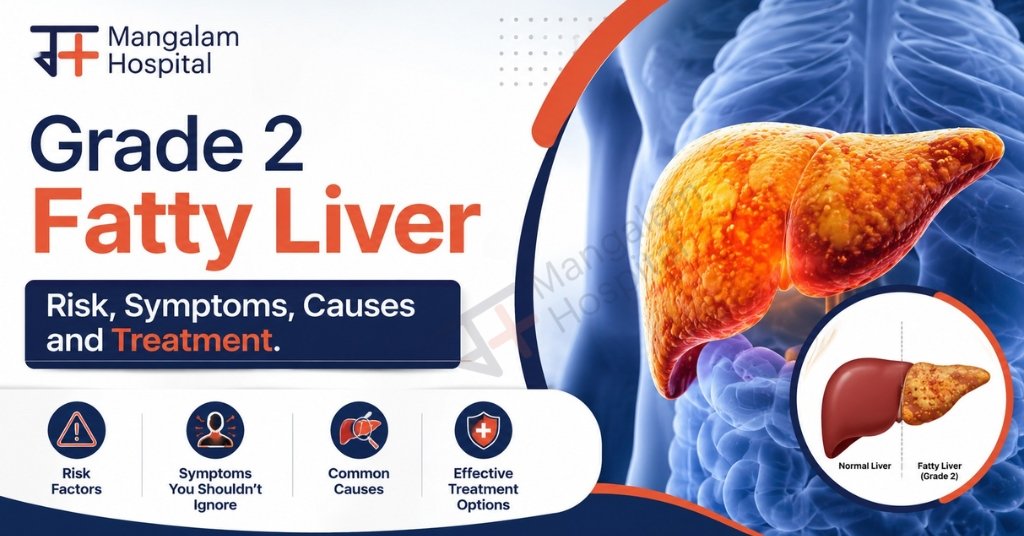
A person diagnosed with Grade 2 fatty liver has a moderate to high level of fat developing within the liver cells. There may or may not be any symptoms present; therefore, many people are unaware of having Grade 2 fatty liver and find out at an annual (or routine) lab test. Over time – if untreated – it can lead to inflammation of the liver, fibrosis of the liver or cirrhosis, or even possible liver failure in extreme situations.
What exactly is Grade 2 Fatty Liver?
Essentially, Grade 2 fatty Liver is more definitive than Grade 1 in that there is a well-defined accumulation of fat in the liver and beginning to affect the liver tissues. An ultrasound of the liver through the Gastroenterology Department will show that excess fat is present in the liver but do not yet render the liver dysfunctional in many people.
The two main types of fatty liver disease include:
- Non-Alcoholic Fatty Liver Disease (NAFLD): This occurs due to a combination of obesity, diabetes, poor nutrition, and/or metabolic dysfunction.
- Alcoholic Fatty Liver Disease (AFLD): This occurred due to excessive use of alcoholic beverages.
The good news is that the vast majority of people suffering from Grade 2 fatty liver will experience improvement if they receive appropriate medical intervention and make appropriate lifestyle changes.
What Causes Grade 2 Fatty Liver?
Extra weight and obesity are among the main reasons for creating a fatty liver (too much fat in the liver).
Here are some common conditions that lead to the development of fatty liver:
Obesity and overweight (having too much weight).
Diabetes type 2.
- High blood sugar and insulin resistance will increase the amount of fat deposited in the liver.
- Cholesterol and triglyceride (fats in the blood) are elevated and hormones will cause an increase in the amount of fat stored in the liver.
- A poor nutrition can contribute to developing fatty liver. Lots of foods and drinks will lead to fatty liver disease:
○ Sugar-sweetened drinks
○ Processed Foods
○ Fried Foods
○ Refined Carbohydrates
○ Fast Foods - Lack of Physical Activity (sedentary lifestyle).
- Heavy drinking (excess alcohol consumption) can damage the liver and increase fatty liver.
- Certain medical conditions that can lead to fatty liver include:
Metabolic Syndrome
PCOS (polycystic ovary syndrome)
Hypothyroidism (underactive thyroid)
Sleep Apnea
You can also read:– Lifestyle Diseases: Causes, Symptoms, Risk Factors, and Easy Prevention Tips
What Are the Symptoms of Grade 2 Fatty Liver?
Most individuals who have Grade 2 liver lipidosis typically will not experience symptoms immediately after they have been diagnosed with this condition. Symptoms will be noticed as the liver lipidosis progresses and becomes more advanced.
There are several general symptoms associated with Grade 2 liver lipidosis including:
- There may be long-term fatigue;
- There may be mild discomfort in the right upper quadrant of the abdominal region;
- There may be a feeling of heaviness after eating;
- There may be unexplained muscle weakness;
- May cause loss of appetite;
- May cause mild nausea;
- Impairs the ability to concentrate;
- Liver may become slightly enlarged.
In more advanced stages, the symptoms may vary considerably, including:
- Yellowing of the skin or eyes (jaundice);
- Swelling of the lower extremities (legs);
- Swelling of the abdominal region;
- Increased ease of bruising.
- Contact your healthcare provider for an evaluation if you continue to experience pain in the abdominal region as well as ongoing fatigue.
How is Grade 2 Fatty Liver Diagnosed?
Diagnosing a fatty liver disease such as Grade 2 fatty liver typically requires a thorough history, physical exam, laboratory testing and/or an imaging study to complete the work-up. Physicians use a wide variety of tests to diagnose and monitor patients with this condition including:
- Liver function tests (LFT)
- Abdomen ultrasound
- FibroScan (to determine the amount of stiffness of the liver)
- CT scan or MRI (if indicated)
- Blood sugar and cholesterol levels
- Biopsy of the liver in some selected cases.
You can also read:- Slip Disc: Causes, Symptoms, Treatment & Prevention
What is the Best Grade 2 Fatty Liver Treatment?
The Grade 2 fatty liver disease treatment is designed to help reduce liver fat, enhance metabolism and keep your liver healthy from future damage.
- Weight Loss Through Healthy Living
7-10 percent of body weight loss is significant for reducing the amount of fat present in the liver; so losing weight is important! To attain good liver health, you will want to lose that weight gradually. - Eat A Liver-Friendly Diet
Eating a balanced diet will play an important role in healing your liver. You will want to make good choices with what you eat and include the following food groups:
- Fruits & Vegetables
- Whole Grains
- Lean Protein
- Fish
- Nuts
- Healthy Fats (Olive Oil)
- You should limit or avoid:
- Sugary Drinks
- Refined Flour
- Fried Foods
- Processed Snack Foods
- High Fat Desserts
- Exercise on a Regular Basis
You should exercise at least 150 minutes of moderate exercise per week. Some examples include:
- Brisk Walking
- Cycling
- Swimming
- Strength Training
- Regular exercise can aid in the reduction of fat in the liver and improve your insulin sensitivity.
- Control Diabetes and Cholesterol
By controlling your blood sugar and/or cholesterol levels, you can reduce how much fat further accumulates in your liver.
- Avoid Alcohol
If you have been diagnosed with liver and fat, you should avoid all forms of alcohol and/or greatly limit consumption to protect your liver cells. - Medications
- There is not currently a single medication available to treat fatty liver disease, but your physician may prescribe you medications to assist in the treatment of diabetes, elevated cholesterol, obesity and other metabolic conditions.
Treatment is individualized based on your overall health.
Who is at Risk? Grade 2 Fatty Liver Risk Factors
Grade II fat liver risk factors also increase your risk of developing Grade II fatty liver. Examples are:
- Obesity
- Type II diabetes
- High cholesterol levels
- High triglycerides
- High blood pressure.
- Sedentary lifestyle.
- Poor diet – vitamin deficiency.
- Heavy drinking.
- Family history of fatty liver.
- PCOS .
- Metabolic syndrome.
- Over 40 years old.
Prevention of Grade II fatty liver disease is primarily a function of lifestyle
Some of the useful methods of preventing fatty liver disease include:
- Achieving a healthy weight.
- Exercising regularly.
- Eating balanced meals.
- Minimizing added sugar.
- Limiting saturated fats.
- Drinking plenty of water.
- Not drinking alcohol, or only if your medical professional recommends you.
- Managing your diabetes, blood pressure, and cholesterol.
- If you are at risk of developing a fatty liver, schedule regular appointments for liver health checks.
Conclusion
Fatty Liver Disease can go from Grade 0 (No Fatty Liver) to Grade 3 (Severe Fatty Liver). Sometimes Fatty Liver Disease is reversible. Grade 2 Fatty Liver Disease is moderately severe; however, if the diagnosis is made early and treated appropriately, it can be reversed. Prevention of complications and restoration of liver health can be achieved through proper diet and nutrition, exercise, weight control, and treatment of any existing underlying disorders.
If you have ongoing symptoms related to your liver or have been diagnosed as having fatty liver disease, you should seek prompt medical advice. At Mangalam Hospital, our Gastroenterology Department offers a complete evaluation of your liver; we provide advanced diagnostic services such as FibroScan or other liver function tests and dietary counselling, and we offer individualized treatment plans.
All patients with Fatty Liver Disease will be able to receive the best possible care from experienced Gastroenterologists and Liver Specialists to help manage their illness and improve long-term health of their liver.
Frequently Asked Questions (FAQs)
Question 1. What is the most effective treatment for Grade II fatty liver?
Ans. The most effective treatment consists of healthy weight loss (to achieve an ideal body weight), a healthy diet, regular physical activity, controlling diabetes and cholesterol, avoiding alcohol, and being monitored medically. Treatment will depend upon the underlying cause of the disease, as well as your personal medical history.
Question 2. Can Grade II fatty liver become normal?
Ans. In many cases, Grade II fatty liver disease may improve or return to normal when an individual begins to take action early on in their life and manages any underlying health issues such as obesity or diabetes.
Question 3. What are the causes of Grade II fatty liver?
Ans. Causes that may contribute to the development of this condition include obesity, insulin resistance, type II diabetes, high cholesterol level, poor quality of diet, inactivity, metabolic syndrome, and excessive alcohol consumption.
Question 4. How can someone reduce their fatty liver rapidly?
Ans. There is no cure to reduce fatty liver rapidly, however, you can improve the health of your liver by gradually losing weight, eating a healthy diet, exercising regularly, avoiding alcohol, managing blood sugars, and following the advice of your physician.
Question 5. How long will it take to recover from Grade II fatty liver?
Ans. The length of recovery from Grade II fatty liver will vary depending upon both the severity of the disease and the lifestyle changes made. However, it is common for patients to see some improvement within 3 to 6 months; therefore, long-term treatment would likely require additional time to completely reverse the condition provided the individual continues with the treatment and follows-up with their medical care provider.