
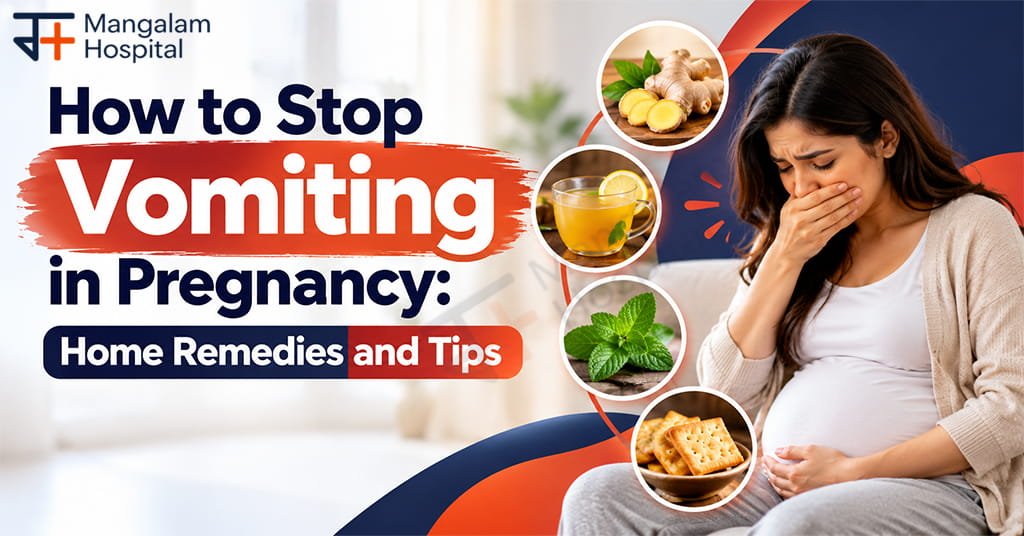
Pregnancy and vomiting troubles go hand in hand especially in the early months. Morning sickness can lead to vomiting, nausea, food avoidance and other problems that destabilize your daily lifestyle, but even if most symptoms improve on their own as the pregnancy progresses, it’s good to get to know about ways to relieve these symptoms.
Luckily, there are a lot of good home remedies against morning sickness, such as sticking to a boring diet, drinking a lot and staying away from strong smells and odors.
Why Does Vomiting Happen During Pregnancy?
The hormonal changes in pregnancy may contribute to vomiting in pregnancy. The increases in the levels of hormones such as hCG (human chorionic gonadotropin) and oestrogen in the early stages of pregnancy is believed to cause nausea and vomiting.
Some other possible causes may include:
- More sensitivity to smells: Nausea can be brought on by strong smells such as cooking smells and perfume.
- An empty stomach: Not eating for a prolonged time can aggravate nausea.
- Digestion: Hormonal changes may result in a reduction in digestion.
- Fatigue and anxiety: Stress and fatigue can increase the symptoms experienced by some women.
- Food aversions: Certain food groups, tastes, and food types may cause a sudden aversion.
How Common Is Vomiting During Pregnancy?
Nausea and vomiting often happen during pregnancy. Symptoms frequently begin around the fifth or sixth week, with morning sickness being a common occurrence. For most women, symptoms tend to reduce by the end of the first trimester or during the early second trimester.
However, many will experience nausea up to the 30th week of pregnancy. A small percentage of patients will have severe nausea and vomiting. This condition, hyperemesis gravidarum, can lead to dehydration, loss of certain nutrients, and weight loss. Consulting the Best Gynecologist in Jaipur is important in case vomiting prevents normal eating, drinking, or performing everyday activities.
You can read also:- Water-Borne Diseases: Types, Causes, Symptoms & Treatment
Best Home Remedies to Stop Vomiting in Pregnancy
Here are some recommendations on how to stop vomiting during pregnancy in a natural way.
1. Eat Smaller and More Frequent Meals
Instead of having three big meals, it is advisable to have several smaller meals during the day. If you don’t have anything in your stomach, the feeling of nausea can worsen, but a large meal will make eating uncomfortable.
Make sure to eat some easy-to-digest foods and eat them slowly.
2. Use Ginger in Small Amounts
Some studies suggest that ginger can have anti-nausea properties. Drinking ginger tea or adding bits of ginger in food can help ease nausea.
3. Get Enough Sleep
Being tired can increase the feeling of nausea. Make sure to stick to a regular sleeping pattern and avoid getting too tired during the day.
If nausea is triggered by doing certain things, consider changing your routine.
4. Don’t Use Strong Scents
Stay away from strong cooking aromas, perfumes, smoke, and other smells that prompt your symptoms. Open the windows in your kitchen and home, and eat cooler dishes if they have a milder scent.
5. Rise Slowly and Cautiously
If you experience morning sickness, place some crackers or dry toast close to your bed and take some before getting up.
6. Use Acupressure
Women should consider using acupressure wrist bands. These bands seem to be effective but should be used a complement to medication rather than as a replacement.
What to Eat When You Feel Nauseous During Pregnancy?
Choosing appropriate food items can allow you to uphold energy and handle nausea. Most suitable types of food are gentle, easily digestible, and low in strong odors.
Some examples include:
- Simple crackers and dry toast: Good for a small snack especially before getting out of bed.
- Rice and plain khichdi: Basic meals that are likely to be better tolerated.
- Bananas: An easy snack providing carbs and potassium
- Oatmeal or porridge: A delicate breakfast.
- Boiled potatoes: An uncomplicated source of carbs.
- Curd or yogurt: Possibly edible for those who can digest dairy
- Light soups: Useful because they hydrate and supply nutrition when solid foods cannot be consumed.
Be sure to chew food slowly and stop eating when feeling full. If some food upsets your stomach, do not eat it; look for an alternative and try it.
You can read also:- Coconut Water in Pregnancy: Benefits, Safety & Nutrition
What Drinks Can Help With Pregnancy Vomiting?
It is necessary to stay hydrated while vomiting during pregnancy. If drinking a full glass of water makes things worse, try sipping little amounts frequently.
Here are some good options:
- Plain water: Drink it frequently throughout the day instead of drinking lots of it at once.
- Oral rehydration solutions (ORS) help in replacing lost fluids and electrolytes in frequent vomiting cases. Ask a healthcare professional or pharmacist about suitable ORS.
- Clear soups or broths: They have a lot of liquid and can be more easily tolerated.
- Mild ginger infusion: This drink may help some women in treating nausea.
- Water-rich foods: Consume watermelon and others if they are well-tolerated. Make sure you will not drink a lot in one go.
Foods to Avoid During Pregnancy Vomiting
Some foods and habits may make nausea worse. It is advisable to avoid or limit:
Fatty, fried spicy food if it produces symptoms.
- Certain food types that give an unpleasant smell.
- Too large portions of food or delaying meals for a long time.
- Foods high in acid in case of worsening heartburn and stomach problems.
- Caffeinated drinks should always be consumed as limited as possible.
- During the pregnancy, it is a good piece of advice to keep away from consuming alcohol and to follow key safety rules regarding food.
It should be noted that triggers are personal for different people as everybody has their own limitations. Just try to find out which food and smells are problematic for you while trying to comply with the right diet.
When Should You See a Doctor for Vomiting During Pregnancy?
Although natural remedies may work for mild nausea, you need to consult a doctor if your symptoms get worse.
You should contact your physician right away if you:
- Are unable to drink fluids.
- Urinate less than usual or notice that your urine is dark in color.
- Feel faint, dizzy, weak, or thirsty.
- Vomiting and losing weight continuously.
- Seeing blood in your vomit.
- Experiencing severe pain in the stomach or other serious symptoms.
If your symptoms are serious or if you’re suffering from dehydration, seek immediate medical help. Don’t wait for home remedies to kick in in case you’re unable to take in fluids.
Conclusion
Pregnancy vomiting can be troublesome; however, some easy solutions may include having small meals, drinking plenty of fluids in small amounts, getting sufficient rest, and keeping away from trigger of nausea.
Different pregnancy conditions require different remedies, but look for those which are more helpful to you and consult your medical practitioner in case of persisting symptoms.
In case the severity of vomiting increases such that no liquids are retained or one experiences signs of dehydration, one needs to contact a qualified healthcare specialist promptly. One should refrain from taking cure for either vomiting or nausea without proper medical advice.
To get custom-made pregnancy help, one needs to visit Obstetrics and Gynaecology Department at Manglam Hospital in Jaipur. The specialists will study the symptoms and provide advice on how to eliminate nausea.
Frequently Asked Questions
1. Why do pregnant women have nausea?
Ans. Hormonal changes, increased sensitivity to odors, digestive alterations, fatigue, and food aversions are the reasons behind nausea in pregnant women.
2. Is nausea during pregnancy common among pregnant women?
Ans. Around 70% to 80% of pregnant women suffer from nausea and vomiting. Nausea usually decreases by the 3rd month of pregnancy, but it may persist in some cases.
3. How can you treat nausea naturally in pregnant women?
Ans. You can eat small meals, drink fluids automatically throughout the day, get enough rest, avoid strong odor, and identify certain food products causing nausea. If these techniques do not work, we recommend contacting a physician.
4. What home remedies help with nausea during pregnancy?
Ans. Dry crackers, plain bread, small meals, rest, and small amounts of ginger can be helpful.
5. What foods would be helpful for pregnant women suffering from nausea?
Ans. Try plain rice, khichdi, crackers, toast, bananas, oatmeal, or boiled potatoes.