
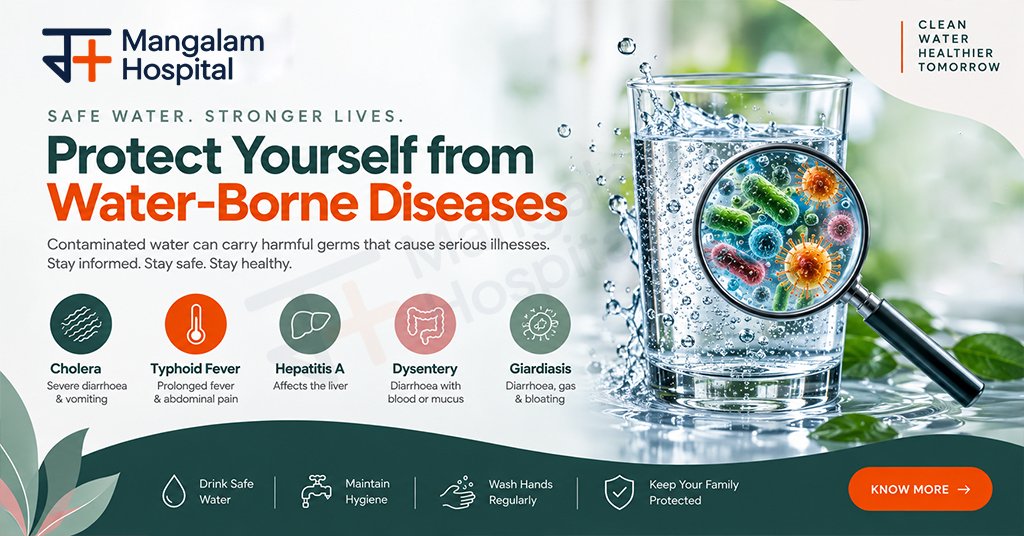
Water-borne diseases are diseases that occur due to ingestion or contact with contaminated water. Water-borne diseases may affect people of any age group and are more likely to happen where clean water, sanitation, and hygiene are not maintained.
Being aware of sources, symptoms, treatment, and prevention of water-borne diseases will help you differentiate them from other diseases and mitigate risk of illnesses like those caused by water contamination during the rainy season or in places where water quality is considered a problem.
What are Water-Borne Diseases?
Water-borne diseases are diseases that are transmitted primarily through contaminated water. When domestic or animal waste, sewage, chemicals, or organisms pollute drinking water, an individual can become affected by water-borne diseases.
Some illnesses can be spread through food affected by contaminated water.
What Are the Common Types of Water-Borne Diseases?
Several different types of water-related illnesses arise from different pathogens responsible for such illnesses. Here are some common samples of the biological agents of water-related infections:
- Cholera
Cholera is a bacterial infection. It causes rapid and severe watery diarrhea and vomiting. Failure to receive immediate treatment may lead to dehydration. - Typhoid fever
Typhoid Fever is due to a bacterium known as Salmonella Typhi. Patients may experience prolonged fever, tiredness, abdominal pain, headache, and problems in digesting food. - Hepatitis A
Hepatitis A is a virus that inflicts harm to the liver. It can be transmitted when a person eats a meal or drinks contaminated water. Hepatitis A usually causes tiredness, sickness, abdominal pain, dark urine, and yellowish skin/eyes. - Dysentery
Dysentery results in diarrhea that might contain blood or mucus. The illness is caused by bacteria or parasitic infection. - Giardiasis
Giardiasis is caused by a parasite called Giardia. Symptoms include diarrhea, gas, bloating and abdominal cramps.
You can read also:- Normal Blood Sugar Levels Chart: Complete Guide by Age, Time & Health Condition
What Causes Water-Borne Diseases?
Waterborne diseases are mainly triggered by a lack of clean water and poor sanitation. Some causes are as follows.
- Drinking untreated or contaminated water
- Poor sewage disposal
- Open defecation and lack of proper sanitation
- Floods contaminating drinking water sources
- Not practicing good hand hygienity
- Eating food made with unsafe water
- Using dirty water for cleaning fruits and vegetables
- Not storing safe drinking water properly
- Poor hygiene when preparing food
What Are The Common Symptoms You Get From Water-Borne Diseases?
Symptoms depend on the type of disease but typically involve the digestive system. General symptoms may include:
- Diarrhea
- Vomiting
- Nausea
- Stomach pains
- Fever
- Headache
- Weakness and fatigue
- Loss of appetite
- Bloating
- Dehydration
Some diseases may include other symptoms. For instance, hepatitis may cause jaundice and some types of dysentery may cause blood in stools.
You can read also:- Coconut Water in Pregnancy: Benefits, Safety & Nutrition
When should you see a doctor?
It is important for a person to seek medical help if the diarrhea or vomiting is serious, any signs of dehydration appear, there are persistent symptoms, the stool has blood, or one has a high or continuous fever. Infants, old people and those with some diseases may need to be treated earlier.
How Are Water-Borne Diseases Treated?
The treatment of the disease depends on the type and severity of the infection. The main priority for most types of diarrhea is to prevent and treat dehydration.
The treatment includes:
- Oral rehydration solution (ORS) to make up for the lost fluids and electrolytes
- Enabling the patient to drink plenty of fluids
- Giving easily digestible food
- Receiving some medicines prescribed by a doctor
- Taking antibiotics in case there is a bacterial infection
- Using antiparasitic or antiviral medicine in some cases
- One must not take antibiotics without consulting a doctor, otherwise, the side effects may occur and the resistance to antibiotics may develop.
In some cases, this may mean that intravenous fluids must be administered and that the patient requires hospitalization.
How Can You Prevent Water-Borne Diseases?
Waterborne disorder exclusion mostly comes from sanitation, bathing, and eating properly.
Drink Safe Water
Get your water supply from reliable sources and boil it to ensure its safety if you have doubts.
Wash Your Hands
Ensure that you wash your hands with soap and water after visiting the toilet, when preparing food, and before eating.
Use Safe Water
Always wash your fruits and vegetables in safe water and ensure proper cooking of meals to avoid eating raw food or using unsafe water for making drinks.
Store Water Safely
Always store drinking water in clean and covered vessels and do not touch any part of the supply with unclean hands.
Maintain Proper Sanitation Practices
Proper sanitation really means taking care of human waste disposal and being able to clean the sewer system in order to keep the water supply free from microorganisms.
Be Cautious When Flooding Occurs
Flooded water can also contain sewage and other harmful substances. It is important to never use flood water for drinking, cooking or washing food.
Conclusion
Waterborne infections can be curbed by taking some basic preventive measures like consuming clean water, following hand hygiene, maintaining food safety, and proper sanitation. Being able to identify the symptoms of water-borne diseases in a timely manner can help avoid complications (like dehydration) resulting from infections.
At Mangalam Hospital Jaipur, people who have a history of digestive issues, like continuous stooling and vomiting and developing fever (and corresponding symptoms) can seek help from the hospital.
Frequently Asked Questions
- What disease is the most prevalent among the water borne illnesses?
Ans. Waterborne diseases include serious health problems caused by unsafe water and sanitation. Examples of such water borne diseases are cholera, typhoid fever, giardiasis, and dysentery. - How does one prevent water-borne diseases from happening?
Ans. Water-borne diseases can be prevented by ensuring access to clean water, washing hands before food handling, observing high hygiene standards in food preparation, and proper storage of drinking water and other foods. - Do water-borne diseases get transferred from one person to another?
Ans. Yes, diseases can be transferred by contact with some infected person’s faeces or via oral route. - How long does it take to recover from an infection caused by water-borne diseases?
Ans. The duration of water-borne disease varies from individual to individual. - Is boiled water safe for drinking purposes?
Ans. Water that has been boiled correctly will eliminate a number of disease-causing microorganisms. However, it should be stored in a clean and covered container so that it does not get contaminated again. - Which people are at higher risks of getting water-borne infections?
Ans. People who are quite young, elderly, black-and-white, and have already fallen sick may be at a high risk of contracting a number of diseases arising from infections.